

Winter Tyres vs Summer Tyres Explained

Key differences, performance in UK conditions, and which tyres are right for your vehicle

Choosing between winter tyres and summer tyres is essential for safe driving, especially in the UK, where weather conditions can change quickly.

Winter tyres are designed for cold temperatures, snow, and ice, while summer tyres are built for warmer conditions and deliver better performance on dry and wet roads.

Understanding the differences between winter tyres vs summer tyres will help you choose the right option for your driving conditions, improving safety, grip, and overall performance.

If you’re unsure which tyres suit your vehicle, explore our tyre guides for more advice.

a suv sat on Summer Tyres

Summer Tyres: Best for Warm Weather Driving

Summer tyres are designed for warmer conditions, typically above 7°C. They offer strong grip, responsive handling, and improved braking on both dry and wet roads.

Key features of summer tyres include:

  • Harder rubber compound – maintains stability and handling at higher temperatures
  • Shallow tread depth – reduces rolling resistance and improves fuel efficiency
  • Optimised tread pattern – designed for grip and water evacuation on wet roads

Summer tyres deliver excellent performance in warm conditions, but as temperatures drop below 7°C, the rubber compound hardens, reducing grip and increasing stopping distances.

This is where the difference between winter tyres vs summer tyres becomes most noticeable, particularly in colder conditions.
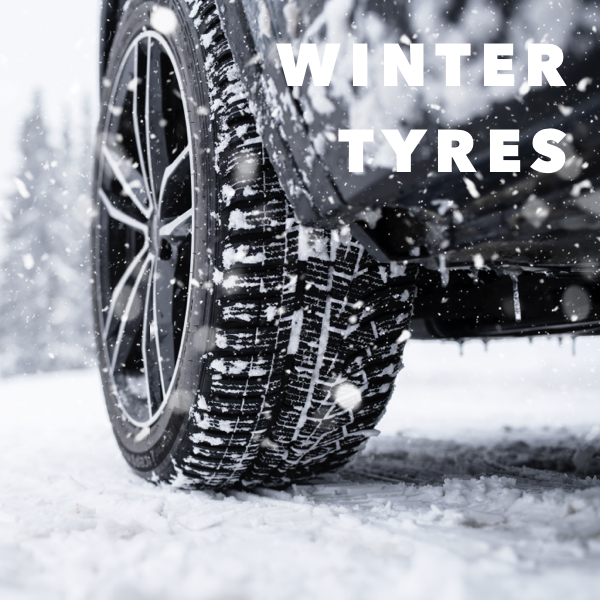
a suv sat on Winter Tyres

Winter Tyres: Built for Cold, Wet and Icy Conditions

Winter tyres are designed to perform in cold temperatures, typically below 7°C. They provide better grip, braking, and control in wet, icy, and snowy conditions than summer tyres.

Key features of winter tyres include:

  • Softer rubber compound – remains flexible at low temperatures for better grip
  • Deeper tread depth – improves traction in snow and slush
  • Increased siping – small cuts in the tread enhance grip on slippery surfaces

Winter tyres significantly improve safety in cold weather, particularly in wet and icy conditions where standard tyres may struggle to maintain grip.

When comparing winter tyres vs summer tyres, winter tyres are the safer option in colder conditions due to their improved traction and braking performance.

Winter Tyres vs Summer Tyres: Which Should You Choose?

Choosing between winter and summer tyres depends on your driving conditions, location, and how you use your vehicle.

Choose summer tyres if you:

  • Mainly drive when temperatures are above 7°C
  • Want better handling and braking on dry and wet roads
  • Drive mostly on motorways or in urban areas

Choose winter tyres if you:

  • Regularly drive when temperatures are below 7°C
  • Encounter snow, ice, or freezing conditions
  • Want improved safety and control in winter weather

For many drivers in the UK, switching between winter and summer tyres seasonally provides the best performance and safety year-round.

If you’re unsure which option is best, explore our full range of tyres or use our quick search tool to find the right fit for your vehicle.

Key Things to Consider

When choosing between winter and summer tyres, there are a few key factors to keep in mind:

Temperature
The 7°C threshold is a useful guide. Below this, winter tyres perform better. Above this, summer tyres provide improved handling and efficiency.

Driving conditions
If you regularly encounter snow, ice, or cold, wet roads, winter tyres offer a clear safety advantage.

Tyre wear
Winter tyres wear faster in warm conditions, while summer tyres lose effectiveness in cold weather. Using the right tyre for the season helps maximise performance and lifespan.

For a more versatile option, consider all-season tyres or explore all-terrain tyres for mixed driving conditions.

Or speak to our team for expert advice on choosing the right tyres for your driving conditions.

Explore tyres for your vehicle >

GDPR 4X4 TYRES LOGO
Privacy Overview

This website uses cookies so that we can provide you with the best user experience possible. Cookie information is stored in your browser and performs functions such as recognising you when you return to our website and helping our team understand which sections of the website you find most interesting and useful.