Tyre Speed Rating
Complete Guide to Understanding these Ratings
Choosing the right tyre speed rating is crucial for safety, performance, and compliance with vehicle regulations. A tyre’s rating determines the maximum speed it can safely handle under recommended load and inflation conditions. Below, we provide a comprehensive explanation of ratings, answer the most common questions about speed symbols like W, V, H, T, S, and Z, and guide you in selecting the best option for your vehicle.
What Is a Speed Rating?
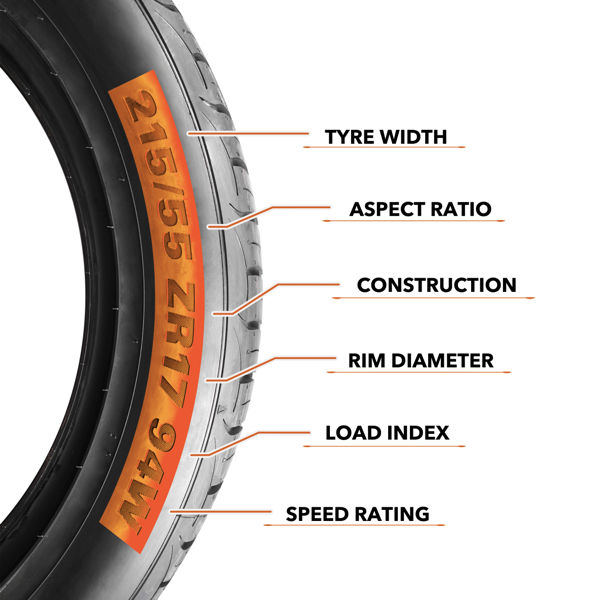
A speed rating is a letter found on your tyre’s sidewall that indicates the maximum speed the tyre can sustain safely. It works alongside the tyre load index, which is a numerical code that specifies the maximum load each tyre can carry at the speed indicated by its speed rating. This ensures the tyre performs correctly at high speeds without overheating or losing grip. These ratings are determined by rigorous industry tests and set by organisations such as ECE, ISO, and SAE.
Why Is it Important?
By ensuring the tyre maintains its integrity at the designated speed, the speed rating plays a crucial role in your safety on the road. Performance is another key area where this rating of your tyre comes into play. It directly affects your vehicle’s handling, braking, and cornering ability, giving you a sense of control on the road. Moreover, many insurers require tyres with equal or higher ratings than the vehicle’s original specification, making it a legal compliance issue as well. Comfort & Efficiency: Choosing the correct rating can optimise ride quality and fuel efficiency.
What does w or y mean on tyres? Understanding the significance of w and y ratings on tyres. W-rated tyres: certified for speeds up to 168 mph (270 km/h). Y-rated tyres: certified for speeds up to 186 mph (300 km/h). Ratings are typically found on high-performance and sports vehicles. They offer enhanced stability and heat resistance at higher speeds.
What is the V or H rating on tyres? H-rated tyres: suitable for speeds up to 130 mph (210 km/h). V-rated tyres: ideal for speeds up to 149 mph (240 km/h). Vehicles like sedans, SUVs, and performance hatchbacks often use H or V-rated tyres for a balance of comfort and performance.
What are t and s in tyres? T-rated tyres: designed for speeds up to 118 mph (190 km/h). Common in family cars and light SUVs. S-rated tyres: rated for 112 mph (180 km/h), usually for older cars or economy vehicles. Understanding the difference: T and H ratings are two of the most widely used in everyday vehicles. T-rated tyres are great for moderate-speed cars, emphasising comfort and longer life. H-rated tyres: offer better handling and cornering ability, making them ideal for vehicles driven at higher speeds on motorways.
Which is better, w-rated or v-rated tyres? Choosing between w and v-rated tyres is a decision that depends on your car’s speed potential and driving style. By understanding the implications of each rating, you can make an informed choice that best suits your needs.
- V-rated tyres: sufficient for speeds up to 149 mph, suitable for most sporty saloons and coupes.
- W-rated tyres: needed for vehicles capable of 168 mph, such as sports cars and high-performance SUVs.
If your vehicle is factory-fitted with W-rated tyres, always replace them with the same or higher-rated option to ensure safety and compliance.
What does Z mean? Z-rated tyres were initially introduced to indicate tyres designed for speeds over 149 mph (240 km/h). Although still seen, modern tyres now combine z with w or y ratings (e.g., 225/40zr18 92y), giving a more precise speed capability.
Where to Find It:
Look for a combination of numbers and letters on the tyre, for example: 225/45 R17 91W.
- 225/45 R17 = tyre size
- 91 = load index
- W = speed rating
| SPEED SYMBOL | MAX SPEED MPH | MAX SPEED KM/H |
|---|---|---|
| K | 68 | 110 |
| L | 75 | 120 |
| M | 81 | 130 |
| N | 87 | 140 |
| P | 93 | 150 |
| Q | 100 | 160 |
| R | 106 | 170 |
| S | 112 | 180 |
| T | 118 | 190 |
| U | 124 | 200 |
| H | 130 | 210 |
| V | 149 | 240 |
| W | 168 | 270 |
| Y | 186 | 300 |
| (Y) | 186+ | 300+ |
Key Takeaways on Speed Rating
- Always match or exceed the original rating specified by the vehicle manufacturer.
- Higher ratings provide better handling and stability at speed, but can lead to a firmer ride and shorter tread life.
- Never downgrade your ratings, as this can compromise safety and legality.
Conclusion
Understanding the speed rating ensures your vehicle performs as intended, keeping you safe while optimising performance and efficiency. Whether you need H-rated tyres for daily driving, V-rated for spirited motorway runs, or W/Y-rated for high-performance cars, always consult your manual and tyre specialist before purchase. This guidance will ensure you make the right choice for your vehicle.