

What Is Wheel Offset?
Learn how offset affects wheel position, handling, and clearance.
Choosing the right wheels is about more than style — correct wheel fitment is essential for safety, performance, and compatibility. Whether you drive a 4×4, SUV, or van, understanding how wheels fit your vehicle helps you avoid issues such as tyre rubbing, poor handling, or incorrect load ratings.
This wheel fitment guide covers everything you need to know, from sizing and offset to materials and vehicle compatibility. It brings together our expert advice to help you choose the right wheels with confidence, whether you’re upgrading for off-road use, improving road performance, or changing your vehicle’s look.
If you’re unsure where to start, the guides below cover the key areas of wheel fitment, helping you understand what matters before making a decision.
Wheel fitment refers to how a wheel sits on your vehicle and how well it meets the required specifications. This includes factors such as wheel size, offset, bolt pattern, and clearance within the wheel arch.
Correct fitment ensures:
Understanding wheel fitment is essential before buying new wheels, especially for 4x4s, SUVs, and vans, where load capacity and off-road performance can vary significantly.
Wheel fitment is determined by several key measurements that affect how a wheel sits on your vehicle and how it performs on the road.
When choosing wheels, it’s important to understand:
These factors work together to ensure safe fitment, proper clearance, and correct handling.
Correct wheel fitment is essential for safety and performance. Even small changes to offset, width, or size can affect how your vehicle drives and how the wheels sit.
Proper fitment ensures:
Incorrect fitment can cause rubbing, poor handling, increased wear, or even safety issues.
Our wheel fitment guides
We’ve broken down the key aspects of wheel fitment to help you understand what matters when choosing new wheels:

Learn how offset affects wheel position, handling, and clearance.
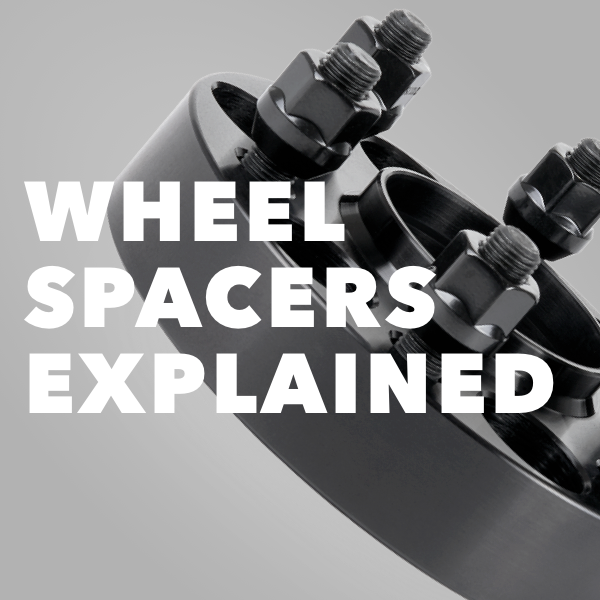
Understand how spacers affect fitment, when to use them, and their impact on safety.
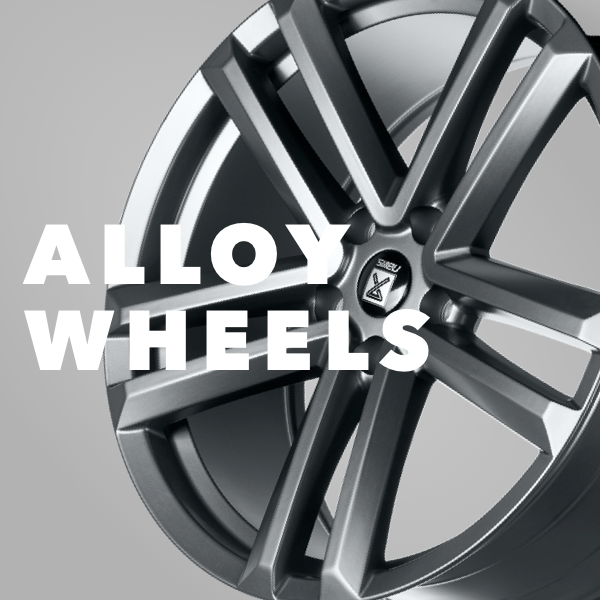
Learn how alloy wheels improve performance, handling, and vehicle style.
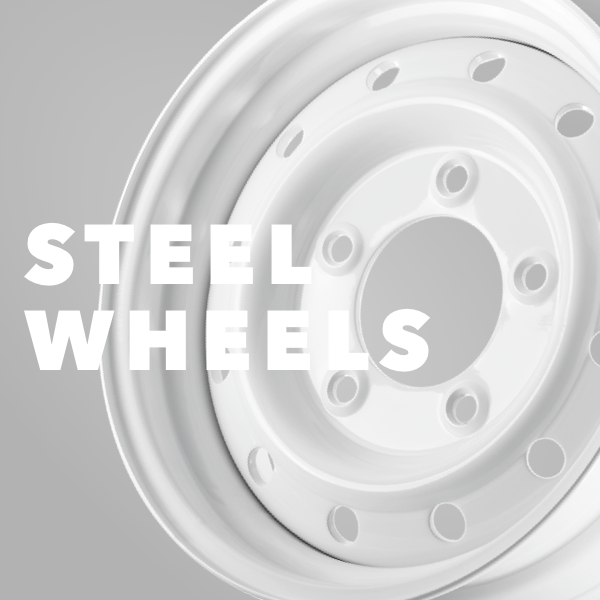
Learn how steel wheels provide strength, durability, and reliability for demanding driving.
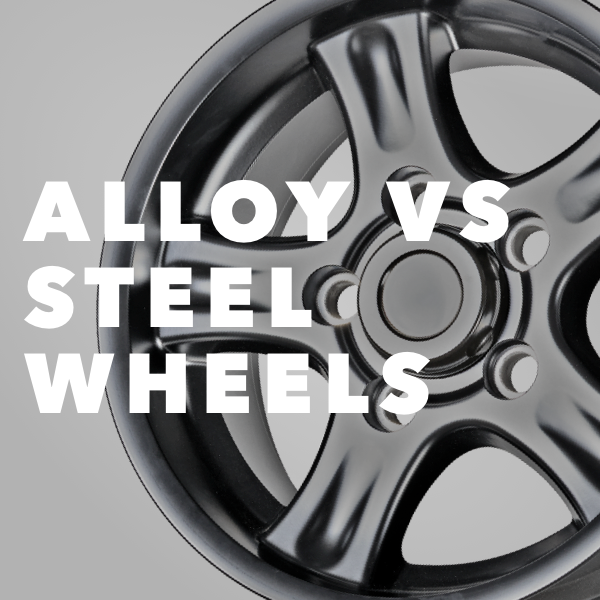
Compare strength, weight, and performance to choose the right material for your vehicle.
Find the right wheels for your vehicle by browsing options for popular 4x4s, SUVs, and vans.
