

Driving in Snow: Tips for Safe 4×4 and Winter Driving
A practical guide, including tyre tips, vehicle control, and how to stay safe in winter conditions.
 -
-
Driving in snow poses distinct challenges, such as reduced traction and longer stopping distances. Although 4×4 vehicles provide better grip, proper preparation and driving methods are essential for safety in winter conditions.
This guide covers key tips for driving in snow, including vehicle preparation, tyre choice, and maintaining control on icy or slippery roads.
How do you drive safely in the snow?
Drive slowly, avoid sudden movements, increase your stopping distance, and use winter tyres. Smooth inputs and good preparation are key to maintaining control.
Before you drive in snow: preparation is key
Preparing your vehicle before setting off is essential for safe winter driving.
- Emergency kit: Carry essentials such as a warm blanket, extra clothing, a torch, a fully charged phone, and a shovel in case you get stuck.
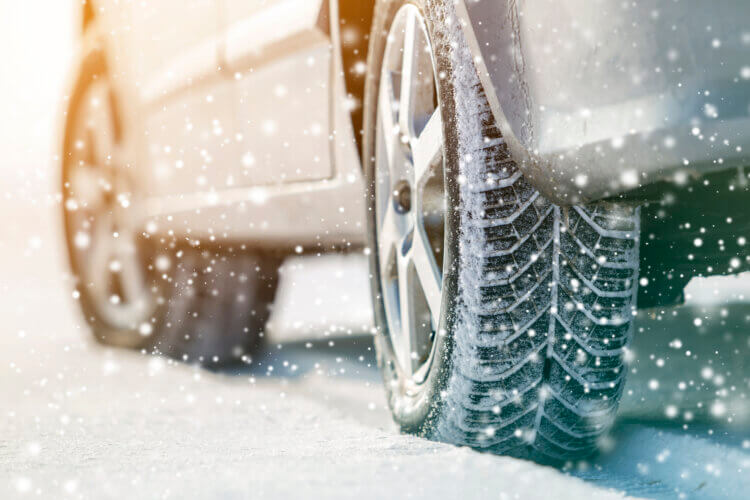
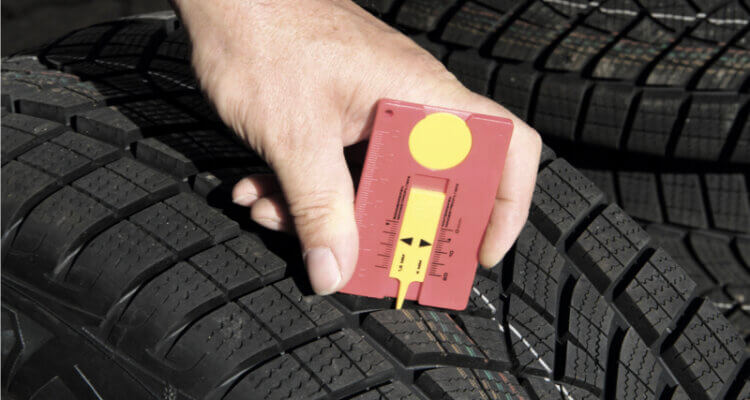
- Check your tyres: Ensure your tyres are correctly inflated and have sufficient tread depth for grip. For best performance in snow, consider winter tyres. All-terrain tyres can also provide good traction if they are rated for winter use (look for the 3PMSF symbol).
- Clear visibility: Remove snow and ice from all windows, mirrors, lights, and the roof before driving. This improves visibility and prevents snow from falling onto your windscreen while driving.
Driving in snow: on-road techniques
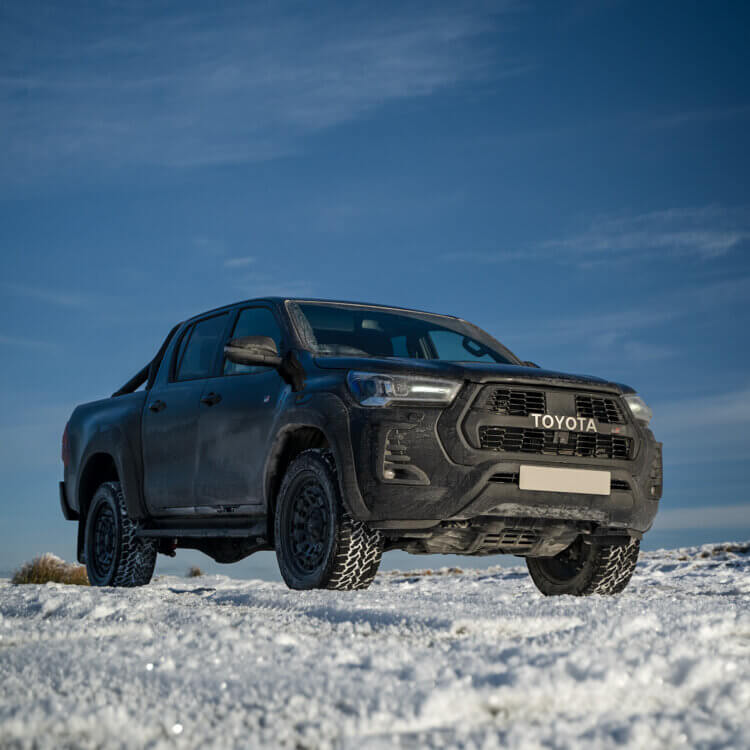
When driving in snow, smooth, controlled inputs are essential to maintain traction and avoid skidding.
- Reduce speed: Snow and ice significantly increase stopping distances, so drive more slowly than usual and leave extra space between vehicles.
- Stay smooth: Avoid sudden acceleration, braking, or steering, as these can cause a loss of traction. Apply inputs gently to maintain control.
- Use the correct gears: Lower gears can improve control and traction at low speeds, particularly on hills or slippery surfaces.
- Use your 4×4 system correctly: Four-wheel drive improves traction but does not eliminate the risk of sliding. Make sure you understand how your system works and when to use it.
Additional tips for snow driving
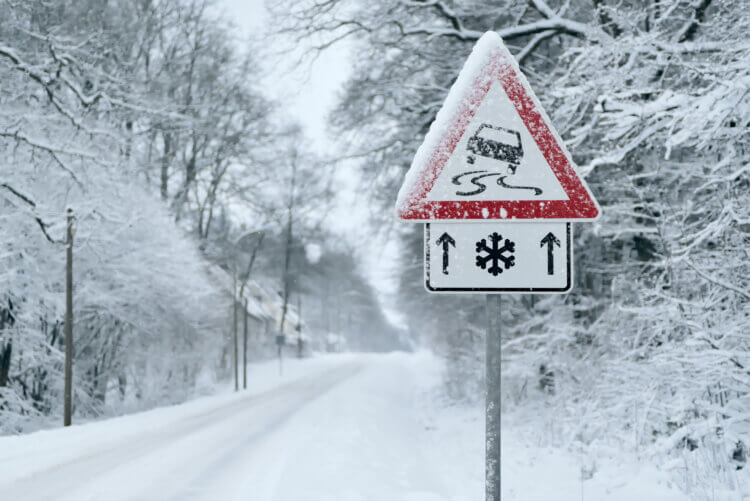
- Plan ahead: Check weather forecasts and road conditions before setting off, and avoid routes likely to be heavily affected by snow.
- Use your lights: Keep your headlights on in poor visibility to help you see and be seen by other drivers.
- Know when to stop: If conditions become too dangerous or visibility is severely reduced, it’s safer to stop and wait until conditions improve.
Winter breakdown risks
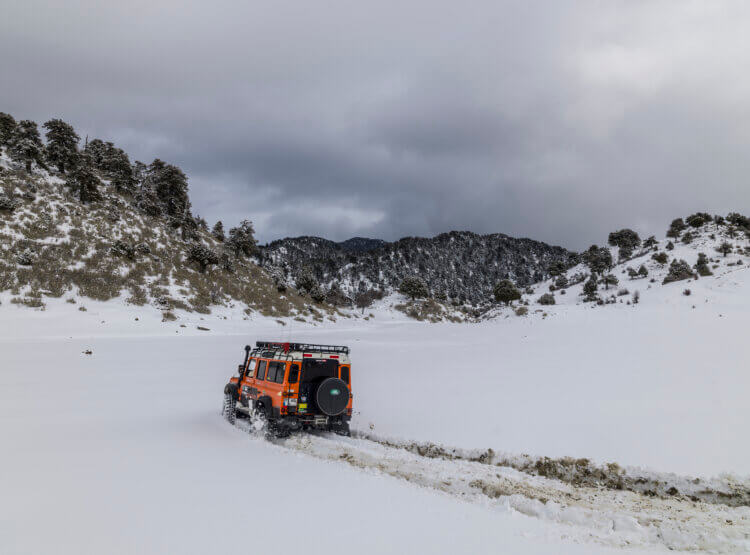
Winter conditions can significantly increase the risk of vehicle breakdowns, with tyres among the most common causes.
Cold temperatures, wet roads, and poor tyre condition can reduce grip and increase the likelihood of punctures or loss of control. Regular checks and proper tyre maintenance are essential for reducing these risks during the winter months.

Why tyres are a common cause of breakdowns
Tyres are more vulnerable in winter because of lower temperatures and more challenging road conditions.
Common issues include:
- Reduced grip from worn tread
- Increased pressure loss in cold weather
- Damage from potholes and rough surfaces
- Poor traction on wet, icy, or snowy roads
Keeping tyres in good condition helps maintain control and reduces the risk of breakdowns.
What to do if you have a tyre problem on the motorway
If you experience a tyre issue while driving, it is essential to stay calm and follow basic safety steps:
- Keep control of the vehicle and avoid sudden braking
- Gradually slow down and move to the left
- Stop in a safe place, such as the hard shoulder or a refuge area
- Turn on hazard lights immediately
- Exit the vehicle safely from the left side
- Move away from the vehicle and, if possible, stand behind a barrier
- Call for breakdown assistance and wait for help
Do not attempt to repair a tyre on the roadside, especially on a motorway.
Preparing your tyres for winter driving
Before driving in winter conditions, check:
- Tread depth to ensure adequate grip
- Tyre pressure, which can drop in colder temperatures
- Tyre condition for signs of damage or excessive wear
Proper preparation can reduce the risk of breakdowns and help keep you safe on the road.
Stay prepared this winter
Regular tyre checks and choosing the right tyres can make a significant difference in winter driving conditions.
If you are unsure about your tyres, it may be worth checking their condition or considering winter or all-season tyres designed for colder weather.
Looking for tyres for winter driving?
Explore our range of 4×4, road, all-terrain, all-season, and winter tyres to find the right option for snow driving. Choosing the right tyres can improve grip, control, and safety in cold conditions.
