
Possible delivery disruption

Deliveries may be disrupted until 7 August due to a warehouse relocation

Tyre Safety Guide: Essential Checks for Safe Driving

A practical guide to tyre safety, including essential checks, maintenance tips, and how to stay safe on the road.

Tyre safety is essential for maintaining control, grip, and braking performance on the road. Regular tyre safety checks help reduce the risk of accidents, improve handling, and ensure your vehicle remains road legal.

Good tyre safety is essential for maintaining grip, stability, and overall vehicle performance.

This guide explains the key safety checks you should carry out, including tread depth, tyre pressure, and condition, to help keep you safe while driving.

Tyre safety symbol on dashboard

Tyre safety

Traction and control

Tyres are the only point of contact between your vehicle and the road, so their condition directly affects how safely you can drive. Good tyre safety ensures proper traction, allowing you to maintain control when braking, cornering, and driving in wet or slippery conditions. Worn or poorly maintained tyres can significantly reduce grip and increase stopping distances.

Preventing blowouts

Tyre blowouts can cause sudden loss of control and increase the risk of serious accidents. Regular tyre checks, including maintaining correct pressure and inspecting for damage, help reduce the risk of blowouts. Driving on worn or damaged tyres increases the likelihood of failure, particularly at higher speeds.
Tread depth and wear

Tread depth is critical for maintaining grip, especially in wet conditions. In the UK, the legal minimum tread depth is 1.6mm across the central three-quarters of the tyre and around the entire circumference. Driving below this limit is illegal and unsafe.

However, many experts recommend replacing tyres at around 3mm, as grip begins to decline significantly below this level. Regularly checking tread depth is a key part of staying safe on the roads and helps ensure your vehicle remains safe and legally compliant.

Maintaining correct tread depth is one of the most important aspects of tyre safety.

See our guide to tyre replacement to understand when to replace tyres.

Tyre pressure

Maintaining the correct tyre pressure is essential for safety, handling, and fuel efficiency. Underinflated tyres can reduce grip, increase stopping distances, and cause uneven wear. Overinflated tyres can reduce road contact, affecting braking and control.

Check your tyre pressure regularly with a reliable gauge, and follow the manufacturer’s recommended levels, usually found in the owner’s manual or on the inside of the driver’s door.

Tyre Pressure Guide >

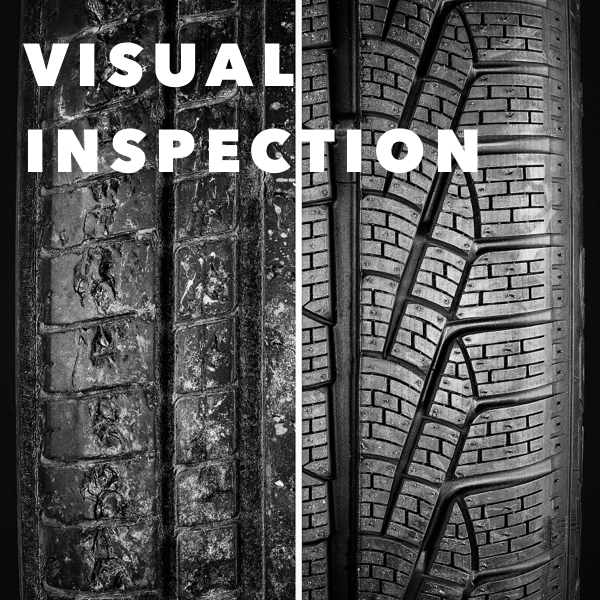
A tyre showing one side worn and one side in good road condition

Tyre safety: visual inspection

Regularly inspecting your tyres helps identify problems before they become serious safety risks.

Check for visible signs of damage, including:

  • Cracks or splits in the sidewall
  • Bulges or deformities
  • Cuts or embedded objects
  • Uneven wear patterns

If you notice any of these issues, have the tyre inspected or replaced as soon as possible.

Load capacity

Every tyre is designed to carry a specific load. Exceeding this limit increases the risk of tyre damage and reduces overall safety. Overloading your vehicle places extra stress on the tyres, which can lead to overheating, accelerated wear, and potential failure.

Always follow your vehicle manufacturer’s recommended load limits to ensure safe and reliable driving.

Tyre Load Rating Explained >

Tyre safety: maintenance best practices

Regular maintenance is essential to keep your tyres safe and performing as they should.

To maintain safety:

  • Check tyre pressure regularly
  • Inspect tyres for damage or uneven wear
  • Monitor tread depth and replace tyres when necessary
  • Rotate tyres where possible to promote even wear
  • Ensure correct wheel alignment to maintain stability

Simple, regular tyre safety checks can help extend tyre life and reduce the risk of unexpected issues on the road.

Need to check your tyres?

Regular tyre safety checks not only improve performance but also help prevent costly repairs and unexpected failures.

Find the right tyres for your vehicle using our quick search tool or browse by size and vehicle.

Explore tyres for your vehicle >

If you’re unsure which tyres are right for your vehicle, explore our tyre guides for more advice.

GDPR 4X4 TYRES LOGO
Privacy Overview

This website uses cookies so that we can provide you with the best user experience possible. Cookie information is stored in your browser and performs functions such as recognising you when you return to our website and helping our team understand which sections of the website you find most interesting and useful.