
Tyre Load Rating:
Complete Guide to Safety, Performance, and Correct Selection
Understanding the tyre load rating is essential for ensuring safe driving, optimal performance, and legal compliance. At its core, the load rating tells you how much weight each tyre can carry when properly inflated. More importantly, selecting the correct rating plays a significant role in preventing premature wear, improving handling, and safeguarding against dangerous blowouts.
What Is the Load Rating on Tyres?
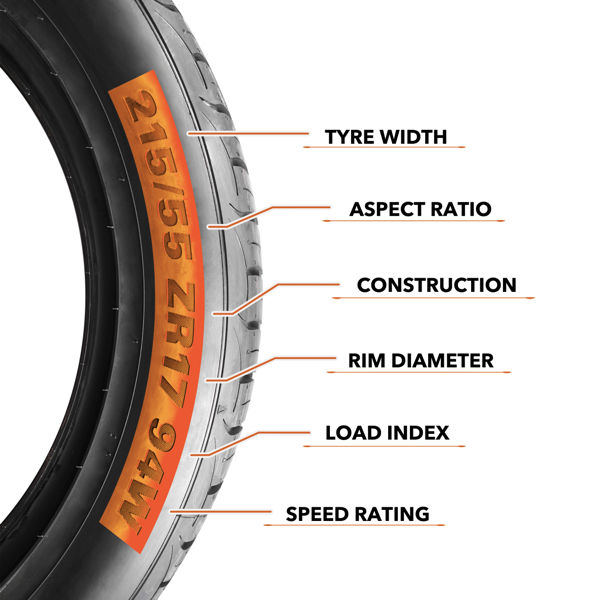
The tyre load rating, also known as the tyre load index, is a numerical code printed on your tyre’s sidewall. This number corresponds to the maximum weight a tyre can safely support. For example, a tyre with a rating of 95 can carry 690 kg, while a tyre with a rating of 102 supports 850 kg.
The load rating is part of your tyre’s specification, appearing alongside size and speed rating. Choosing the correct load rating ensures your vehicle can carry its designed weight, including passengers, cargo, and towing loads.
Unveiling Tyre Load Rating
Understanding Tyre Load Rating
The load index is a numerical value that indicates the maximum weight capacity a tyre can support when it is inflated correctly. It is crucial to ensure that your tyres can bear the weight of your vehicle and any cargo without compromising your safety or performance.
Significance of Load Index
The tyre load rating of your tyres has a direct impact on their ability to carry weight. Higher numerical values indicate greater weight-bearing capacity. By following the recommended load index for your vehicle, you can reduce the risk of tyre overloading. Overloading can result in premature wear, blowouts, or loss of control while driving.
Tyre load index rating
To accurately understand load index values, it is recommended to refer to the load index chart provided by tyre manufacturers or regulatory agencies. The chart correlates numerical indices with their corresponding weight capacities in pounds or kilograms. This makes it easier for you to select tyres that match your vehicle’s load requirements.
| Tyre Load Index | Load in kg |
|---|---|
| 75 | 387 |
| 76 | 400 |
| 77 | 412 |
| 78 | 425 |
| 79 | 437 |
| 80 | 450 |
| 81 | 462 |
| 82 | 475 |
| 83 | 487 |
| 84 | 500 |
| 85 | 515 |
| 86 | 530 |
| 87 | 545 |
| 88 | 560 |
| 89 | 580 |
| 90 | 600 |
| 91 | 615 |
| 92 | 630 |
| 93 | 650 |
| 94 | 670 |
| 95 | 690 |
| 96 | 710 |
| 97 | 730 |
| 98 | 750 |
| 99 | 775 |
| 100 | 100 |
| 101 | 825 |
| 102 | 850 |
| 103 | 875 |
| 104 | 900 |
| 105 | 925 |
| 106 | 950 |
| 107 | 975 |
| 108 | 1000 |
| 109 | 1030 |
| 110 | 1060 |
| 111 | 1090 |
| 112 | 1120 |
| 113 | 1150 |
| 114 | 1180 |
| 115 | 1215 |
| 116 | 1250 |
| 117 | 1285 |
| 118 | 1320 |
| 119 | 1360 |
| 120 | 1400 |
| 121 | 1450 |
| 122 | 1500 |
| 123 | 1550 |
| 124 | 1600 |
| 125 | 1650 |
| 126 | 1700 |
| 127 | 1750 |
| 128 | 1800 |
| 129 | 1850 |
| 130 | 1900 |
| 131 | 1950 |
| 132 | 2000 |
| 133 | 2060 |
| 134 | 2120 |
| 135 | 2190 |
| 136 | 2240 |
| 137 | 2300 |
| 138 | 2360 |
| 139 | 2430 |
| 140 | 2500 |
| 141 | 2575 |
| 142 | 2650 |
| 143 | 2725 |
| 144 | 2800 |
| 145 | 2900 |
| 146 | 3000 |
| 147 | 3075 |
| 148 | 3150 |
| 149 | 3250 |
| 150 | 3350 |
What is the tyre load index?
It is simply this number that defines how much weight your tyre is engineered to carry. Always consult your vehicle handbook or the driver’s door placard to ensure the selected tyres meet or exceed the manufacturer’s recommendations.
Can I Change My Tyre Load Rating? The short answer is yes, but with some critical considerations. You can select tyres with a higher load rating, which can improve strength and durability, particularly for heavy vehicles or towing. However, you must never choose tyres with a lower load rating than specified. Doing so compromises safety, stability, and legality.
Switching to a lower rating can cause overheating, excessive flexing, and catastrophic failure, particularly at motorway speeds or under heavy loads.
What Happens if You Have the Wrong Load Rating on Tyres?
Using tyres with an insufficient load rating results in:
- Excessive heat build-up – leading to blowouts.
- Reduced handling and braking performance – increasing stopping distances.
- Shortened tyre lifespan – due to uneven stress and sidewall fatigue.
- Insurance issues – many policies require tyres to meet OEM specifications.
For commercial vehicles, SUVs, and 4x4s, ensuring the right tyre load index is not just important, it’s critical. These vehicles regularly carry heavier loads or tow trailers, making the correct load index a safety and performance necessity.
Practical Tips for Choosing the Correct Load Rating
- Check your owner’s manual – it lists the minimum load index required.
- Review the placard – usually found on the driver’s door frame.
- Match or exceed the rating – higher load-rated tyres can provide extra durability.
- Consider driving conditions – towing, long-distance travel, and off-road use often require reinforced tyres.